Preparation under pressure
Racing made feedback immediate. Preparation, judgement and the people around the machine had to agree before speed could be useful.
 Start a conversation ↗
Phil's story
The story behind CSM Associates is too substantial to flatten into one endless timeline. Enter it through the chapter that matters—or follow the complete sequence from pressure and recovery to enterprise, ownership and trust.
Each chapter stands on its own. Together they explain why lived experience still changes the next commercial decision.
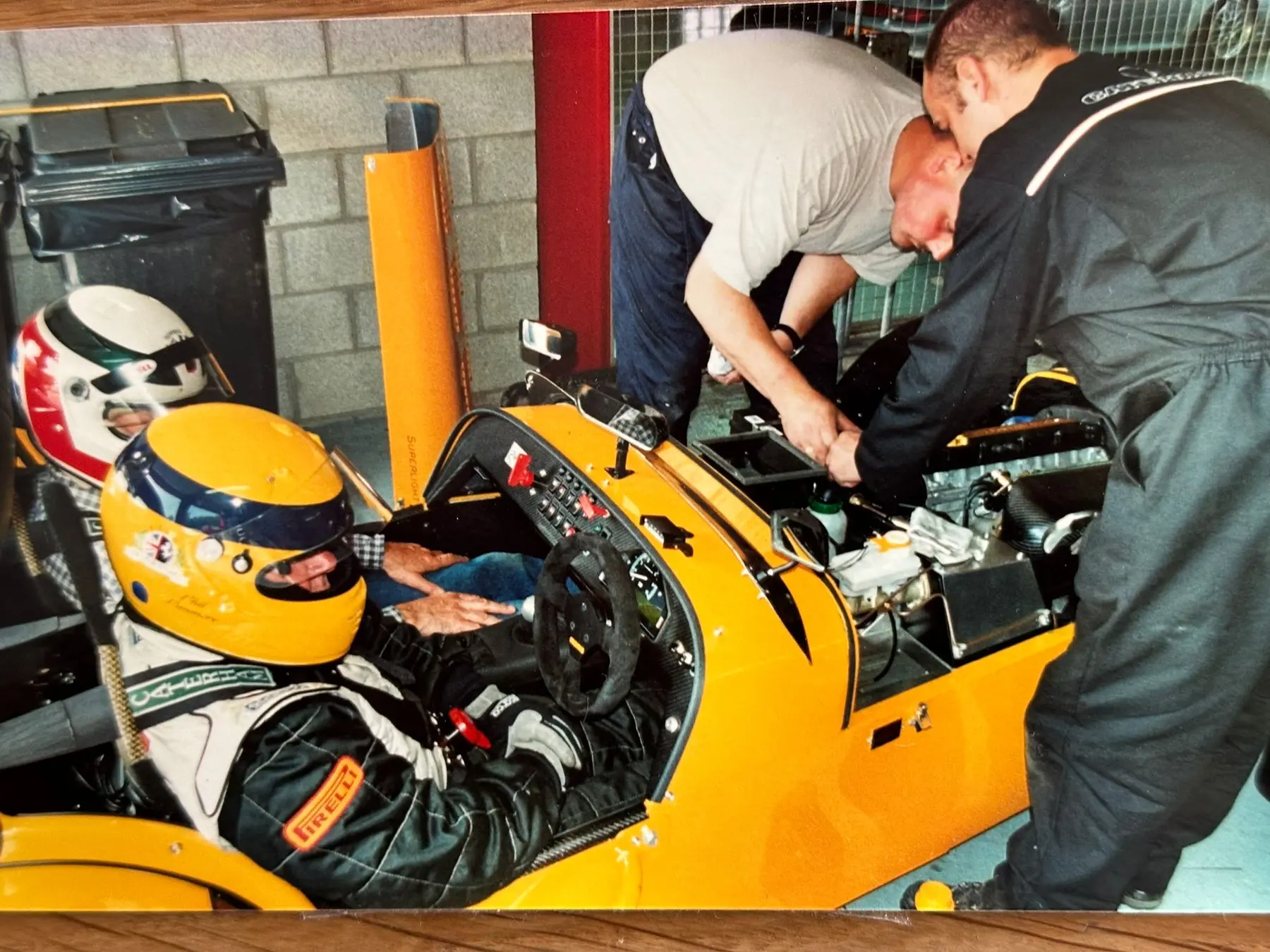
The cockpit, the 300 km/h accident, recovery, Nürburgring discipline and the standard created by consequence.
Explore ↗
Paper, Formula One, turnarounds, electric vehicles, restoration and an international dealer network.
Explore ↗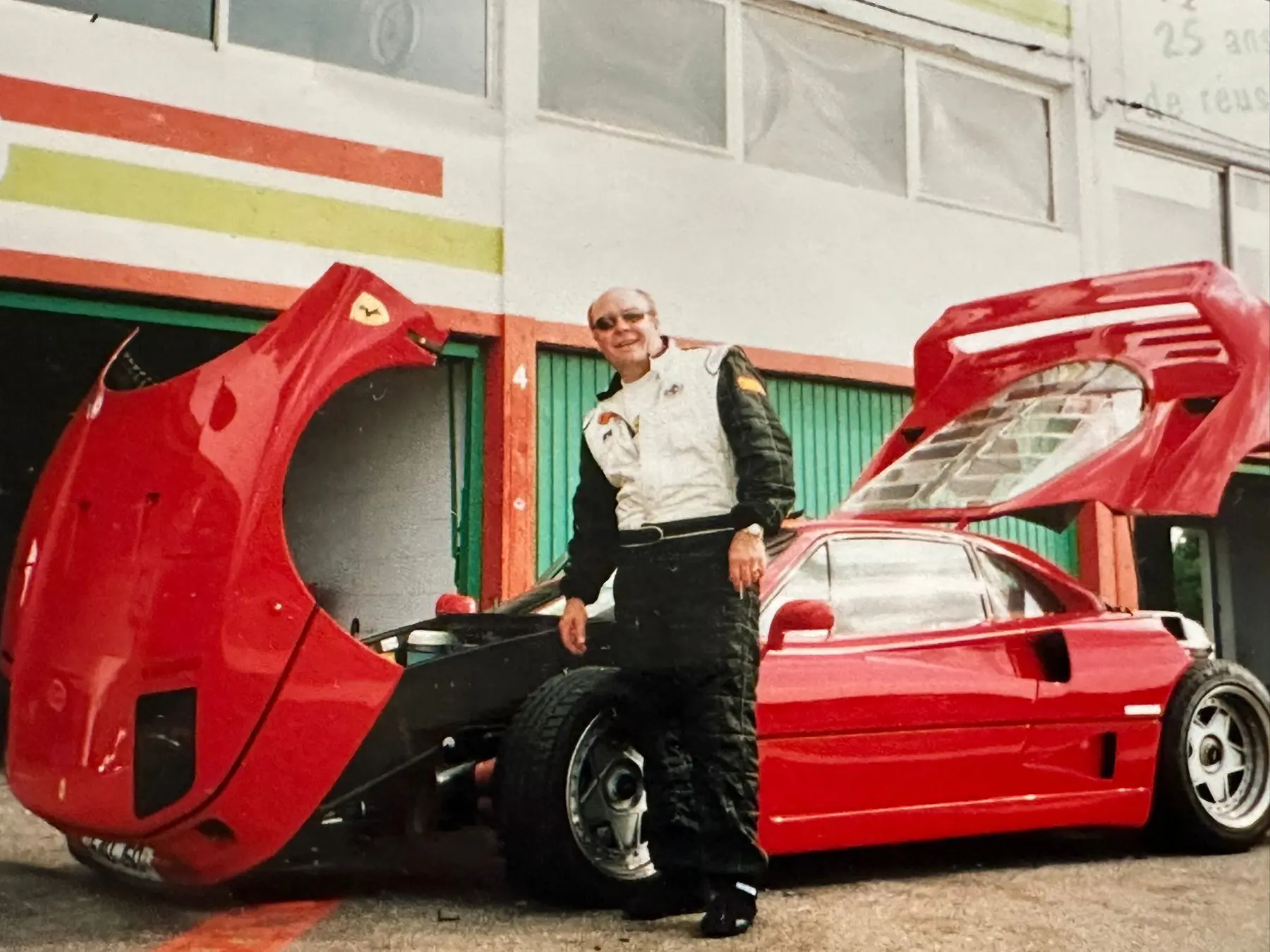
Personal ownership archives shown as separate visual chapters—not as generic automotive decoration.
Explore ↗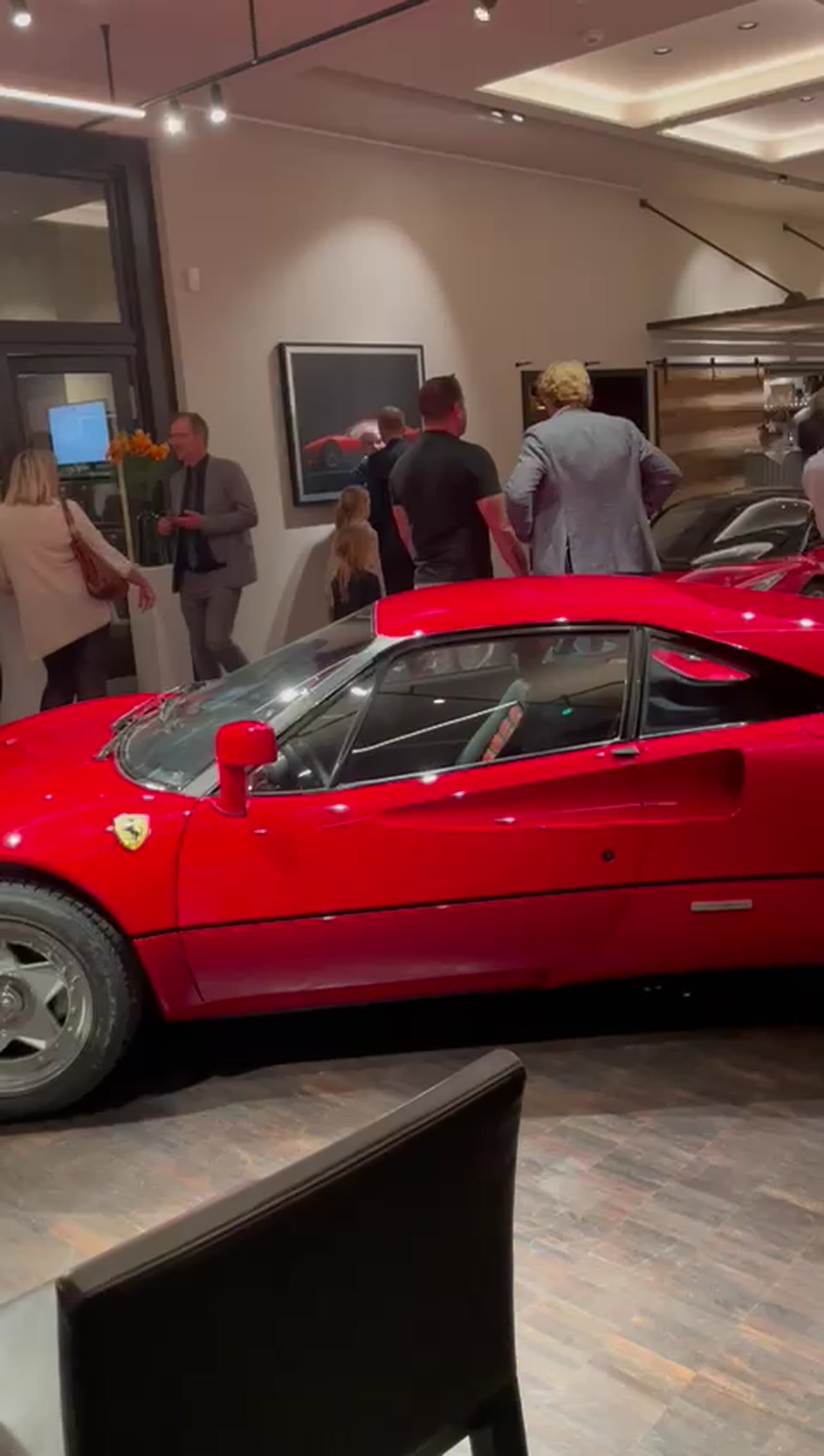
Where cars opened the conversation and trusted relationships created the lasting value.
Explore ↗ Why experience becomes trust
Phil does not arrive with a borrowed framework. He arrives with decisions he has owned: at speed, on factory floors, in negotiations, through recovery, launches and turnarounds.
Racing made feedback immediate. Preparation, judgement and the people around the machine had to agree before speed could be useful.
Phil has owned cars, companies, commercial outcomes and difficult recoveries. The advice comes from lived responsibility, not remote commentary.
Teams of 300, 20,000 tonnes of annual volume, Formula One licensing and an international dealer network turn the story into measurable evidence.
The same senior judgement stays in the room from the first honest diagnosis through the decisions that must work in practice.
The point is not the history itself. It is knowing that when the situation is difficult, the person across the table has made consequential decisions before.